Quick Summary: As temperatures drop and daylight hours shorten, fall prevention for seniors becomes even more important. Wet leaves, uneven surfaces you can’t see, and seasonal shifts in footwear and activity levels all increase fall risk this time of year. This blog covers the most common indoor and outdoor trip, slip, and fall hazards that show up in autumn, along with home safety tips for older adults and fall prevention exercises for seniors that can help reduce risk before winter sets in.
Fall prevention is a year-round concern for older adults, but autumn brings its own set of challenges. Shorter days mean less natural light for walking and driving. Wet leaves and early frost make outdoor surfaces less predictable. And as routines shift indoors with colder weather, many seniors become less active, which can affect strength, balance, and confidence.
None of this means the season needs to be approached with worry. With a little awareness and a few proactive habits, most of these seasonal risks are manageable. Here is what to know about fall prevention tips for seniors as the weather starts to change.
Outdoor Hazards That Increase in Autumn
Wet leaves are one of the most overlooked trip, slip, and fall hazards this time of year. They can hide cracks, uneven pavement, or curbs, and they become especially slippery when damp or covered with frost. With shorter daylight hours, outdoor walkways can be harder to navigate safely, especially in the early morning or evening.
A few habits can go a long way toward reducing these outdoor risks:
- Keep walkways clear of leaves, twigs, and debris as often as possible
- Wear shoes that have a good tread rather than smooth-soled shoes or slippers
- Use handrails on steps and ramps, even on familiar routes
- Turn on porch and walkway lights earlier in the evening as daylight hours shorten
- Take precaution on cold or frosty mornings, when surfaces may be wetter than they appear
Indoor Hazards Worth a Second Look
Fall risk factors are not limited to the outdoors. As the weather cools, many seniors add extra layers, rugs, or seasonal decor to their homes, which can introduce new hazards if not addressed appropriately. Loose rugs, trailing space heater cords, and dimly lit hallways are all common culprits.
Home safety tips for older adults heading into autumn include:
- Securing or removing loose rugs and mats, especially near entryways
- Checking that space heaters and cords are placed safely, away from walkways
- Making sure hallways, stairs, and entry points are well lit
- Keeping frequently used items within easy reach to avoid unnecessary stretching or climbing
- Wearing supportive, non-slip footwear indoors rather than socks or barefoot
Staying Active Supports Fall Prevention
Reduced activity levels in colder months can negatively affect strength and balance, both of which play a major role in fall prevention for seniors. Staying active is important, but doesn’t require intense exercise; consistency and variety matter more.
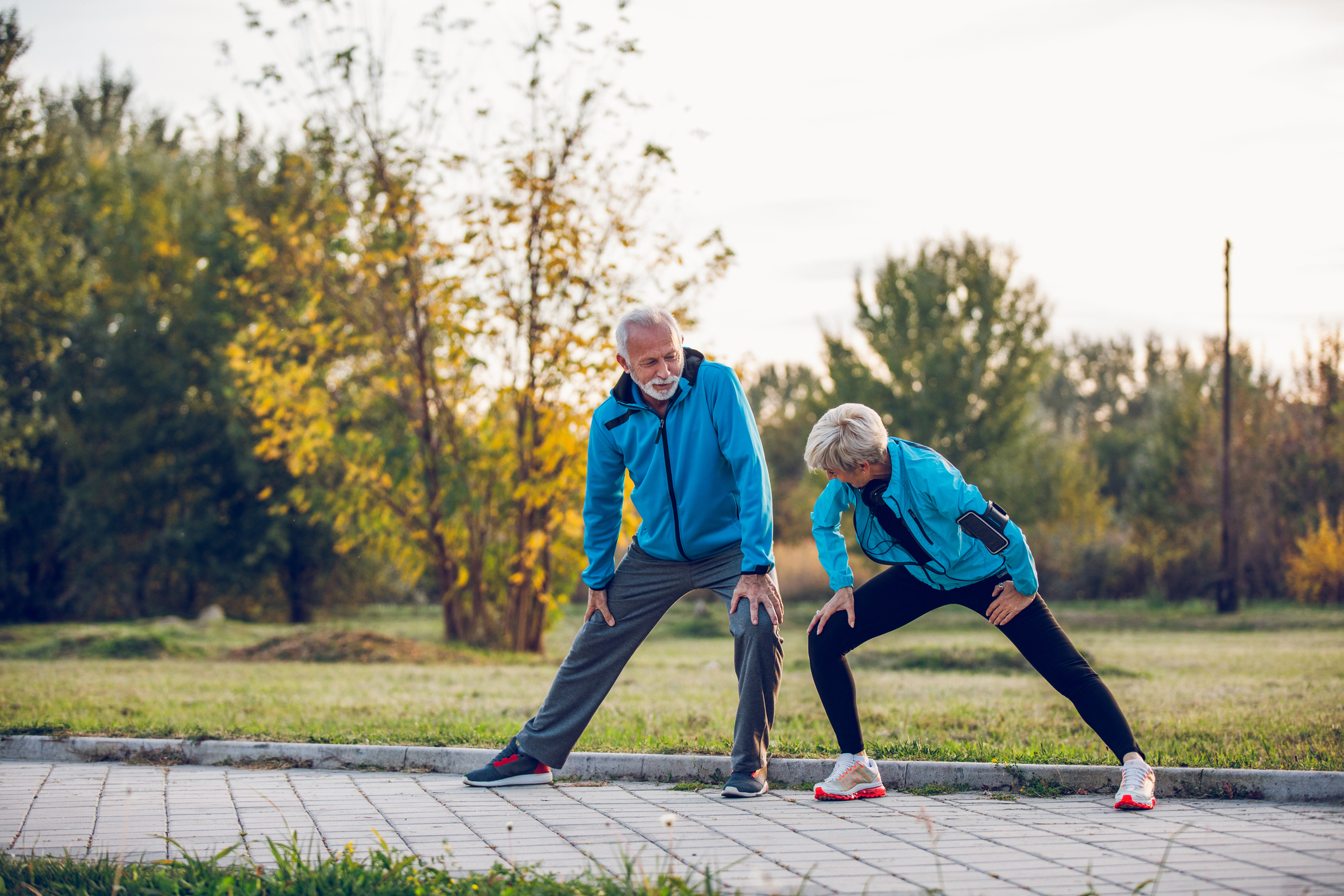
Helpful fall prevention exercises for seniors include:
- Gentle strength training to maintain muscle mass and joint stability
- Balance-focused movement, such as tai chi or standing balance exercises
- Regular walking, indoors or out, to maintain mobility and confidence
- Stretching routines to support flexibility and reduce stiffness
Group fitness classes can be especially helpful in the fall and winter months, since they combine physical activity with structure and social connection, making it easier to stay consistent even as the weather changes.
Medication Reviews and Vision Checks Matter Too
Fall prevention is not only about the physical environment. Certain medications can cause dizziness, drowsiness, or balance issues, and these effects can be easy to overlook, especially when seasonal changes bring new cold or flu medications into the mix. A periodic medication review with a doctor or pharmacist can help identify anything that may be increasing your risk for a fall.
Vision also plays a significant role. Reduced daylight and earlier sunsets make it more important than ever to have a current eyeglass prescription and good lighting throughout the home. An annual vision check is one of the simplest ways to catch changes that could otherwise go unnoticed until they contribute to a fall.
How Community Living Supports Fall Prevention
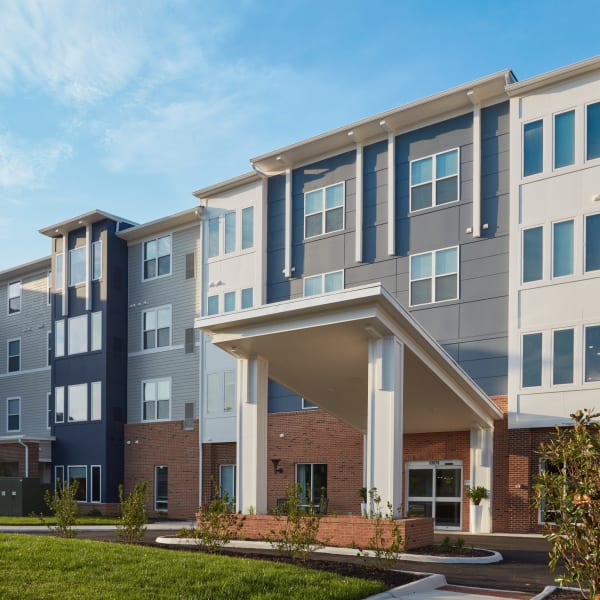
For many seniors, some of the biggest fall risk factors are tied directly to home upkeep. Uneven walkways, poor outdoor lighting, and the physical demands of yard work in changing weather can add up. This is one practical advantage of a senior living community like Acclaim at Belmont Bay.
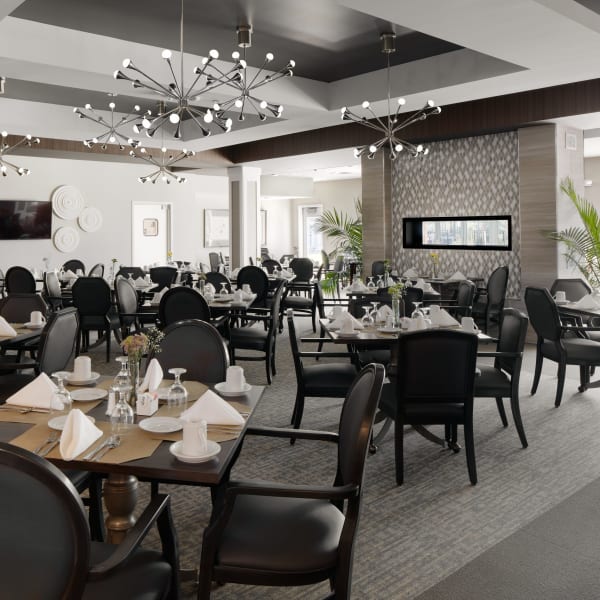
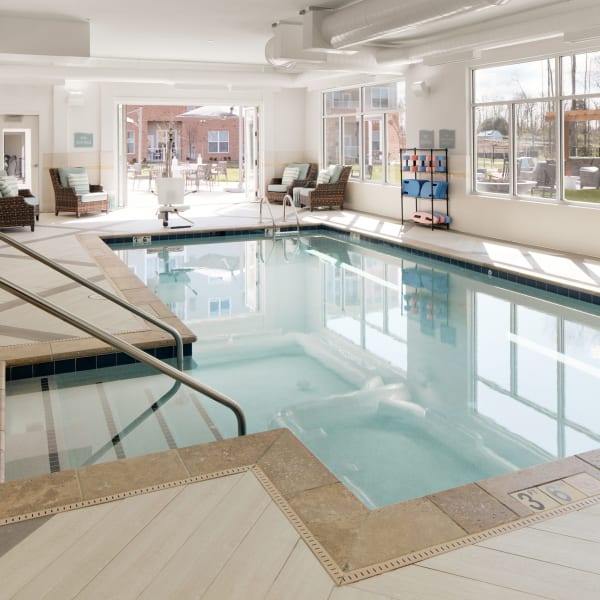
With senior living, home upkeep and maintenance are handled for residents, so there’s no need to worry about clearing leaves or checking for wet surfaces before heading out. Consistent lighting throughout the community supports safer navigation as daylight hours shorten, and on-site fitness programming makes it easier to stay active during the colder months. Together, these everyday details create a supportive environment that addresses many common fall risks before they become a concern.
A Season to Stay Aware, Not Anxious
Fall prevention for seniors is ultimately about awareness and small, consistent habits. Being mindful of the changing season, from wet leaves to shorter days, and taking a few proactive steps around the home can make a meaningful difference. For those exploring options that reduce many of these risks altogether, community living offers a level of ease and support that is difficult to replicate at home.
Contact our team to learn more about the safety features and lifestyle at Acclaim at Belmont Bay.